Foreword

When I decided to launch this blog to document my journey toward exceptional hearing, I initially chose the pseudonym Bindar Dondat (Been There, Done That). However, when I tried to register the matching Gmail address, I was forced to accept a cluttered alternative: BindarDondat977. It made me pause and wonder: why are so many of us anchored to the past?
I realized I needed a true paradigm shift. To reflect a commitment to actively participating in the present, I changed my pseudonym to Bedar Dodat (Be There, Do That).
In keeping with this forward-looking mindset, I have also upgraded to a modern, highly secure email address: [email protected]. Founded in 2014, Proton Mail provides robust end-to-end encryption backed by strict Swiss privacy laws.
Remembrances

But before we dive into the present, allow me to reflect on where this journey truly began—and how my hearing progressed from the quiet of paradise to the challenges I am determined to solve today!
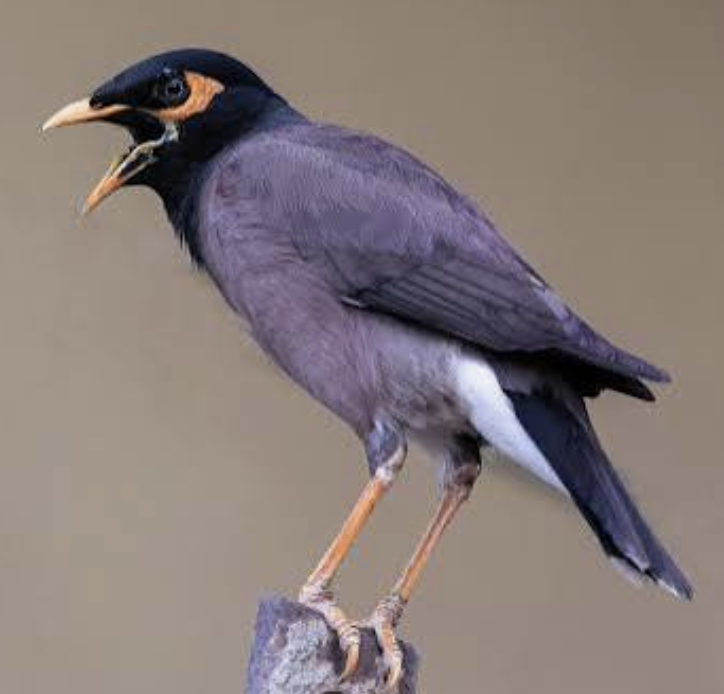
I grew up in Waianae, a small rural village in Hawaii, where you were greeted with the boisterous squawks of the Myna birds in the morning and the sharp rustle of the wind rushing through the cane leaves. Back then, I sat in the back of the classroom and could hear my teachers perfectly.

When I started college in Iowa, the soundtrack changed. The whistles and clicks of Myna birds were replaced by chirruping sparrows, and the cane leaves turned to corn leaves. The teachers became professors, but I could still hear them clearly, even though the small classrooms were now larger lecture halls. It was during these college years that I was introduced to classical music and officially became a “hi-fi bug”.
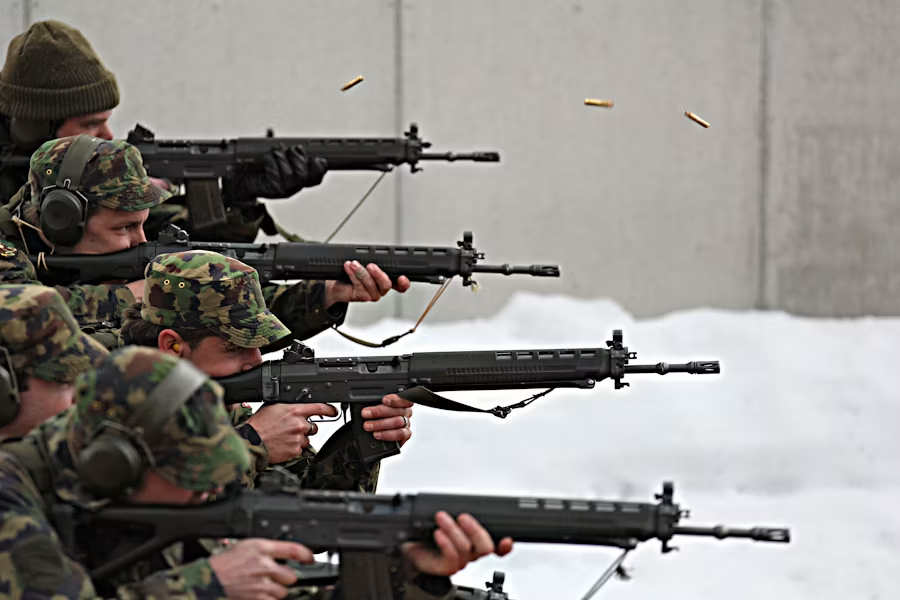
In the late 1950s, I was drafted into the US Army. I underwent eight weeks of basic training at Fort Ord in California—a brutal environment for a young hick like me. Between bugles blaring at dawn, long marches, and firing M1 rifles, noise became a constant background reality. We didn’t have modern ear protection back in the 1950s. I was later assigned to the 66th Engineer Group at Fort Bragg, North Carolina, where the constant whirring of cardiographic mapping machines and nearby battlefield training added to the acoustic onslaught.In the late 1950s, I was drafted into the US Army. I underwent eight weeks of basic training at Fort Ord in California—a brutal environment for a young hick like me. Between bugles blaring at dawn, long marches, and firing M1 rifles, noise became a constant background reality. See the photo of modern target practice with “ear protection”. We didn’t have it back in the 1950’s. I was later assigned to the 66th Engineer Group at Fort Bragg, North Carolina, where the constant whirring of cardiographic mapping machines and nearby battlefield training added to the acoustic onslaught.

After my discharge, I received my AB degree from UCLA. The huge lecture halls were a definite challenge for my hearing, but it was still considered presumed adequate. After graduation, I got a job at System Development Corp as a programmer. After that, life became a blur. Fast forward: Hughes Aircraft Company… Japan… marriage… children… American Airlines in Oklahoma… back to Hughes in California… Japan… California… layoff in the 1990s… divorce…
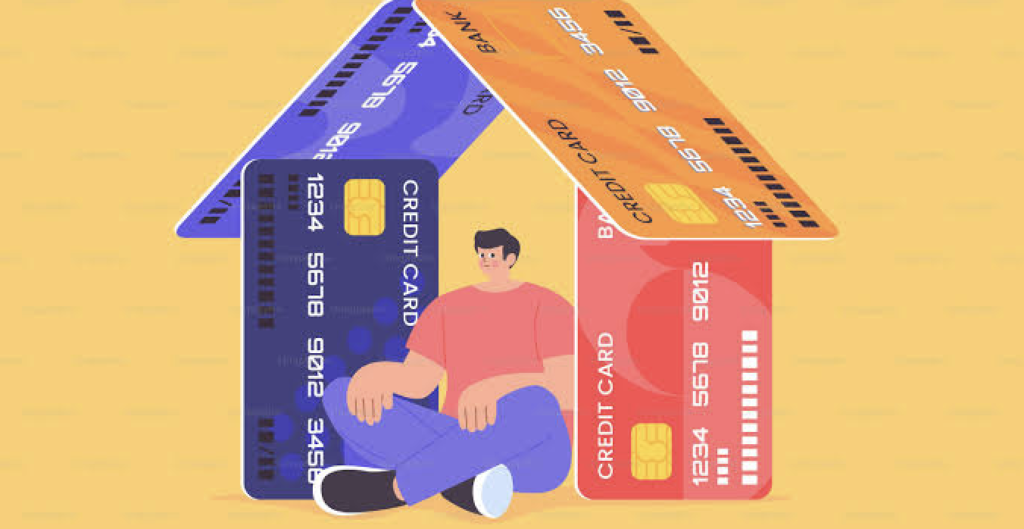
Years later, an audio test revealed that my hearing above 10K dropped off “like a rock”. I was shocked but assumed my high-fidelity audio equipment could compensate. It didn’t! After being laid off during the recession, I turned to entrepreneurial enterprises, including shooting wedding videos. This line of work demanded sharp hearing to adjust microphone levels and capture the quiet wedding vows of couples. The struggle to hear pushed me to the brink of financial disaster.
Fortunately, I secured a career in the IT department at a local community college district. Through frugal living, I cleared my debts and built a nice retirement nest egg. I finally retired in 2018 at the age of 82.

What ultimately forced my retirement was not my mental capacity, but the sheer exhaustion of trying to communicate. Large meetings were stressful, forcing me to walk between seats just to face the person speaking. I eventually stopped attending our team’s birthday lunches. I loved the camaraderie! But I was tired of asking people to repeat themselves and resorted to mumbling vague responses just to avoid another “What did you say?” This was the beginning of my social isolation.

When my own granddaughters had to resort to using sketchpads to write down messages just to talk to me, I knew I had to draw a line.
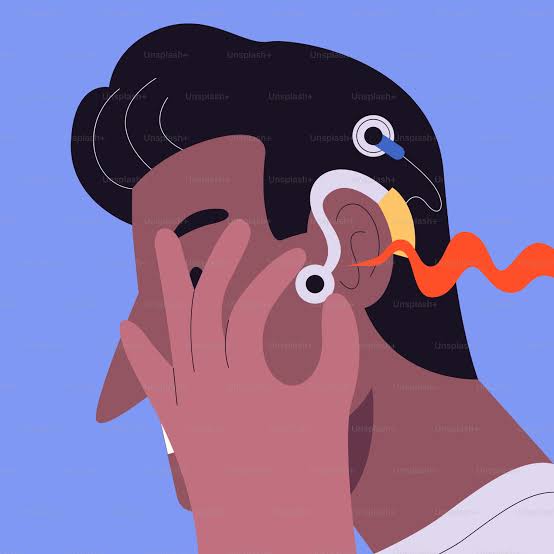
At age 90, I am consulting with Dr. Ginger Stickney to get at least an adequate hearing configuration of a ReSound Nexia 9 paired bimodally with the upgraded Cochlear Implant Nucleus 8, replacing my seven-year-old Nucleus 7.
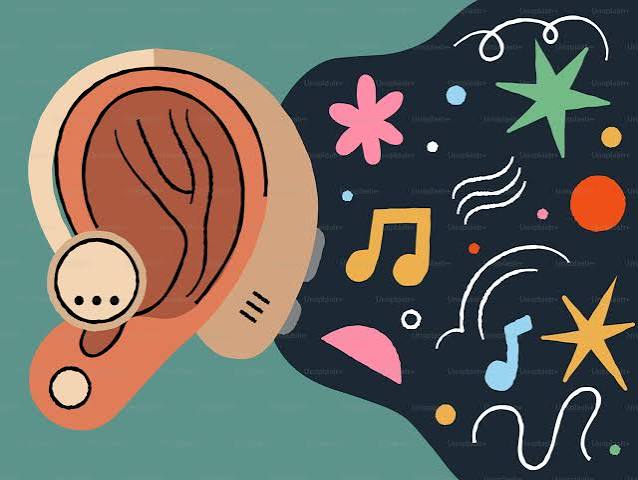
However, if she recommends the combination, I would like to experiment with the Phonak Roger-20 combination with a Roger mic. I understand that it is an expensive system and that there are no guarantees, but I want to reach beyond adequate hearing.
I want to hear the birds chirping in the morning again!